
By our correspondent in the field.
I write these lines from the dusty veldt under a scorching African sun, with the crack of rifles still echoing in my ears and the acrid smell of gunpowder hanging heavy in the air. The long-smouldering discontent in the Transvaal has erupted into open war. Yesterday, Boer commandos dealt a shattering blow to a British column, and the Transvaal Republic has once more raised its Vierkleur flag in defiance of Her Majesty’s Government.
The roots of this conflict lie in the British annexation of the Transvaal four years ago in 1877. What Whitehall intended as a step toward confederation of the South African territories has been felt here as a grave injustice by the Boer farmers. Promises of self-government went unfulfilled; taxes were imposed, and British administration replaced the old republican ways. Passive resistance gave way to resolve.
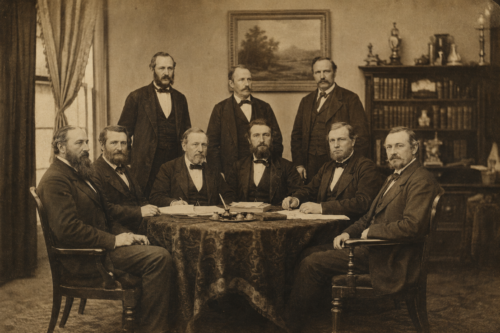
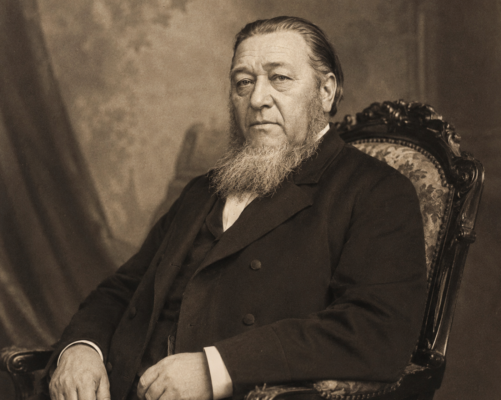
On the 13th of this month, at Paardekraal, thousands of Boers gathered. Leaders Paul Kruger, Piet Joubert, and M.W. Pretorius were confirmed in a triumvirate. Three days later, on the 16th, the Boers formally proclaimed the restoration of the South African Republic and hoisted their flag at Heidelberg. The first shots of the new struggle were exchanged that same day near Potchefstroom, where a commando under Piet Cronjé confronted British authority.
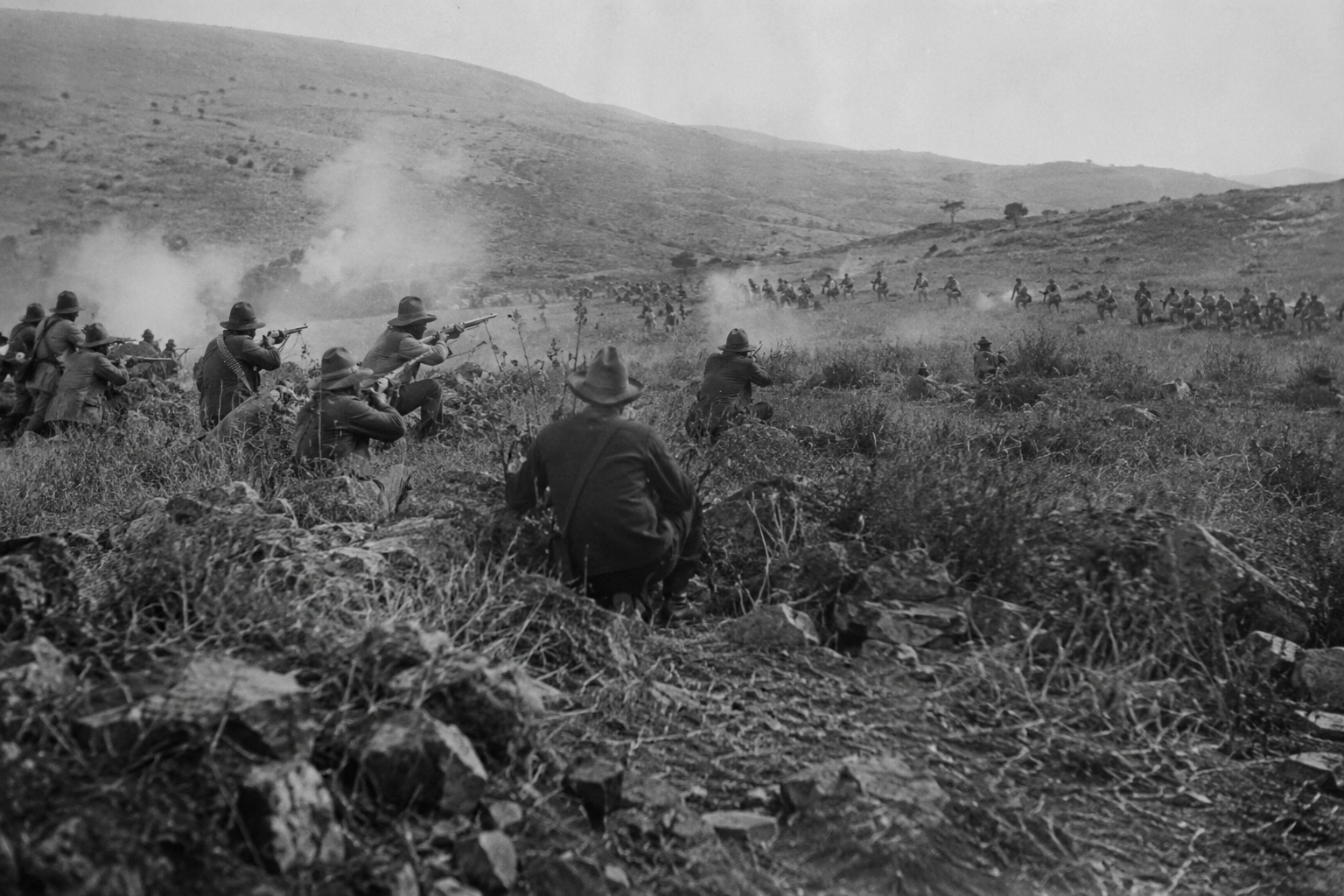
But it was here, yesterday the 20th, that the war announced itself in earnest. A British column of the 94th Regiment, under Lieutenant-Colonel Philip Anstruther, marching to reinforce Pretoria, was ambushed by a Boer force led by Commandant Frans Joubert near Bronkhorstspruit. From my position with scouts on the ridge, I witnessed the devastating accuracy of the Boer marksmen. Concealed among the rocks and bushes, they poured a withering fire into the exposed British ranks. The redcoats, caught in column formation on the open road, had little chance to deploy. Within minutes the affair was nearly over.
Casualties among the British are reported grievous: scores killed and wounded, with many taken prisoner. Colonel Anstruther himself was struck down. The Boers, fighting on their own ground with superior mobility and rifle skill, suffered only light losses. Wagons, ammunition, and supplies have fallen into their hands. The surviving British troops have been forced back or scattered.
Across the Transvaal, British garrisons now find themselves invested and isolated. Pretoria, Potchefstroom, and other outposts are under pressure. The Boer horsemen move swiftly, living off the land they know so well, while British regulars struggle with supply lines stretched thin across hostile territory.
The Boers fight not as a professional army but as citizen commandos – fathers, sons, and neighbours defending their farms, faith, and freedom. Their discipline under fire is remarkable, and their knowledge of the veldt gives them an edge that British commanders here are only beginning to respect.
From Cape Town to London, the wires will be humming with this news. Reinforcements are certain to be called for, yet the spirit I see among these Transvaal burghers suggests they will not yield easily. They believe their cause is just, and in these early days of the conflict, that belief has translated into decisive action.
I remain at the front, your obedient servant, riding with dispatches as the guns speak again. The Transvaal War has begun in earnest. More grim tidings will surely follow.
— Cape Chronicle War Correspondent Veldt near Bronkhorstspruit, 21 December 1880