
Skip to content
November Issue:
Donate R500 to the Cape Chronicle during November
Header Image
Monday October 26, 2026
The Cape Chronicle

The Cape Chronicle

Events that shape the Cape since 1850

  • The Cape Chronicle: A Name Written Into the Heart of the Cape
  • About us
    • Editorial Charter
      • Editorial Team
    • Donate
  • Work for us
  • Support Local
  • Classifieds
    • Classified Ads – 1861
  • Contact us

Author: Edmund Carrow

Edmund Carrow was born in 1841 to a family of modest means in Grahamstown, the eldest of five children. He read law by candlelight while apprenticed to a local attorney, eventually qualifying and setting up a small practice in Cape Town — one that struggled from the start, as Carrow found he had far more appetite for exposing wrongdoing than for the tedious contract work that actually paid a lawyer's bills. He began writing unsigned columns for local papers on the side, and by the late 1860s was better known for his journalism than his litigation.

When William Foster's eyesight began to fail in 1871, Foster is said to have approached Carrow directly, reasoning that a trained legal mind was exactly what the paper needed to survive its next chapter. Carrow accepted, closed his practice, and took over an outlet that was still, in essence, a small operation built around Foster's personal voice. He set about changing that immediately.

His first major decision was to install a standing court-reporting column, staffed initially by himself and, from 1871, formalized under a dedicated correspondent. Carrow believed readers deserved to see the machinery of justice at work in detail, not just its verdicts, and the column became required reading among the colony's lawyers, several of whom complained — not always jokingly — that Carrow's transcriptions were more accurate than their own notes.

Carrow's tenure was not without cost. His appetite for municipal corruption stories twice landed the paper in libel court, both times against sitting councilmen who accused him of reckless allegation. Carrow won both suits, the second decisively, and used the verdicts as fresh material for further reporting — a move contemporaries considered either fearless or reckless depending on which side of his pen they'd found themselves.

He is remembered above all as the editor who turned the Chronicle from a one-man operation into an institution: he hired the paper's first full-time reporting staff, formalized its editorial standards, and insisted — over the objections of the board — that reporters be paid enough to refuse bribes. He stepped down in 1886, citing exhaustion, and spent his later years as a legal consultant to several newspapers across the colony, a discreet gray eminence behind press disputes he no longer had to fight publicly himself. He died in 1909.
THE TRANSVAAL IN FLAMES: BOERS DECLARE INDEPENDENCE AND STRIKE FIRST BLOOD AGAINST BRITISH FORCES
1873 to 1909 Cape History

THE TRANSVAAL IN FLAMES: BOERS DECLARE INDEPENDENCE AND STRIKE FIRST BLOOD AGAINST BRITISH FORCES

Edmund Carrow26 December 188021 July 2026

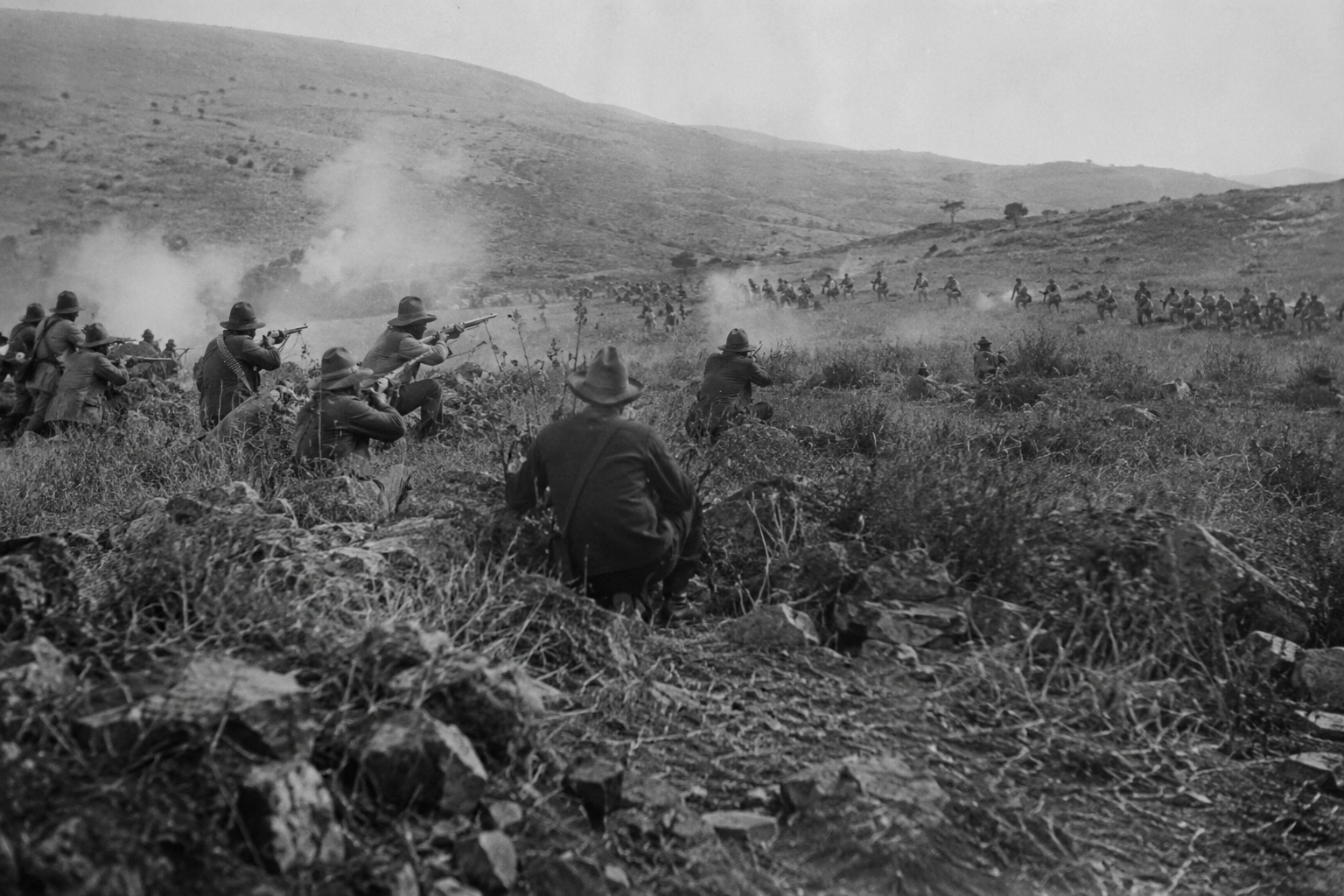
By our correspondent in the field. I write these lines from the dusty veldt under a scorching African sun, with the crack of rifles still echoing in my ears and…
New Estate Agency Established in Cape Town
1873 to 1909 Property

New Estate Agency Established in Cape Town

Edmund Carrow21 July 187921 July 2026

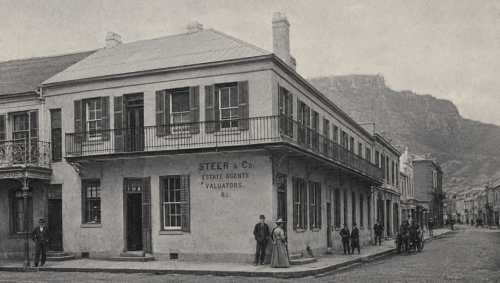
Amid continued commercial expansion within the Cape Colony, a new estate agency, Steer & Co, has commenced business in Cape Town, reflecting the increasing importance of professional property services to…

Office of the Editor

Notice: New Deputy Editor appointed

Edmund Carrow17 July 187821 July 2026

To the Readers of The Cape Chronicle It affords me much gratification to acquaint the numerous friends and patrons of this Journal with the appointment of Mr. Arthur Reginald Harrington…

CAPE CLAIMS THE PENGUIN ISLANDS
1860 to 1872 Cape History Special Historical Feature

CAPE CLAIMS THE PENGUIN ISLANDS

Edmund Carrow12 August 186112 August 2026

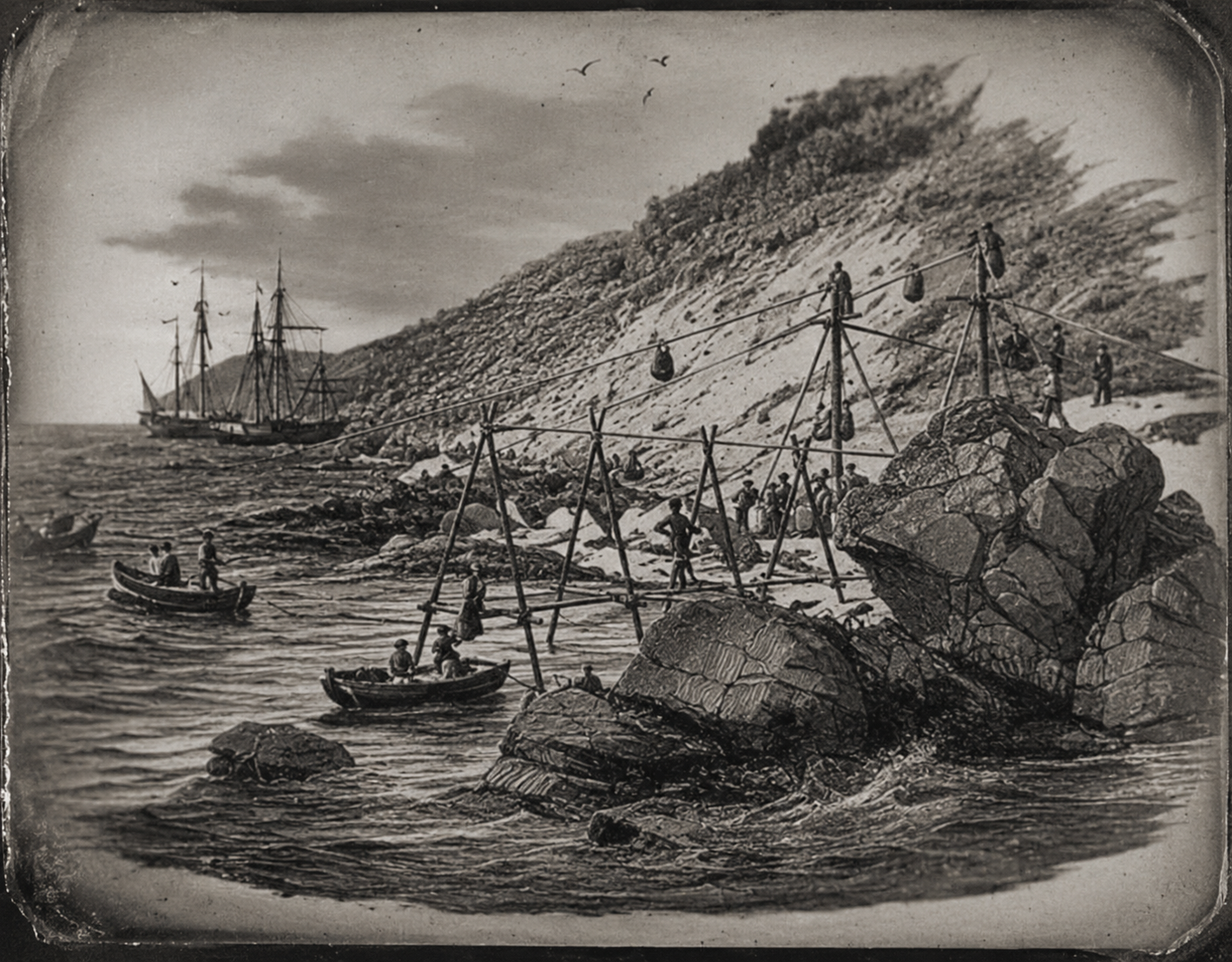
Governor Grey extends the Queen’s dominion over a chain of Atlantic islands CAPE TOWN — 12 AUGUST 1861 A significant proclamation has been issued today from Cape Town which extends…

Classified Ads

Timeline of the Cape

  • 1860 to 1872
  • 1873 to 1909
  • 1910 to 1948
  • 1949 to 1961
  • 1962 to 1984
  • 1985 to 1994
  • 1995 to 2005
  • 2006 to 2025

Subscribe to Our Newsletter

Oh hi there!!
It’s nice to meet you.

Subscribe to receive awesome content in your inbox, every Monday at 08:00.

We don’t spam! Read our privacy policy for more info.

Check your inbox or spam folder to confirm your subscription.

Reader opinions

  • Cape Chronicle launches R75 adverts for Small Businesses | The Cape Chronicle on Classified Ads – 1861
  • Albert on Hello Cape Town
  • Elaine van Vuuren on Hello Cape Town
Our October issue is sponsored by
Our August issue is made possible by
Advertise with us at the
A Work in Progress

The Cape Chronicle is a work in progress and are updated as and when resources allows.

We highly recommend readers to subscribe to our newsletter to get regular updates.
Our new team of reporters are currently being updated and articles will soon be upgraded with photos of the time.

Our September issue is made possible by
Discover the Western Cape with
En route to Unity?
Celebrating almost 50 years…

Seniorfit60Plus, under leadership of fitness instructor Juliana le Roux Maritz, has been serving the communities of Parow and Bellville since 1978.

Originally started by Ria (H M) Maritz, mother of the Cape Chronicle’s publisher, in a small hall in Parow Vallei (Formerly Tiervlei), the business kept serving the community of local seniors as a member of the SA Seniors Fitness Association.


Copyright © 1850 - 2026 The Cape Chronicle | Published by WTG Media & Marketing SA - The guys behind Follow Me Outdoor Magazine

| Classica Press by Ascendoor | Powered by WordPress.