
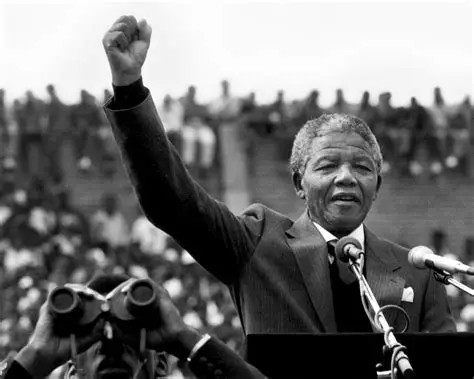
Each year on 18 July, South Africans and people across the world pause to celebrate the life and legacy of Nelson Rolihlahla Mandela, whose unwavering commitment to justice, equality, and reconciliation transformed the course of South African history. Born on 18 July 1918 in the small village of Mvezo in the Eastern Cape, Mandela rose from humble beginnings to become one of the most respected statesmen of the twentieth century.
Affectionately known as Madiba, his clan name, Mandela’s early years were spent in the rural community of Qunu, where he developed a strong sense of leadership, responsibility, and service. After attending missionary schools, he studied law and became one of South Africa’s first Black attorneys, establishing a legal practice in Johannesburg that defended people subjected to discriminatory apartheid laws.
Mandela joined the African National Congress (ANC) in 1944 and soon emerged as a leading figure in the campaign against racial segregation. As the apartheid government tightened its grip following the National Party’s election victory in 1948, Mandela and his colleagues organised peaceful protests, strikes, and acts of civil disobedience to challenge unjust legislation.
Following the Sharpeville Massacre in 1960 and the banning of the ANC, Mandela helped establish Umkhonto we Sizwe (“Spear of the Nation”), the ANC’s armed wing. The organisation focused on sabotage of government infrastructure while seeking to minimise loss of life, reflecting the growing belief among many activists that peaceful protest alone could no longer bring political change.
In 1962 Mandela was arrested, and two years later he was sentenced to life imprisonment during the Rivonia Trial. Before sentencing, he delivered a speech that has become one of the defining statements of the struggle against apartheid, declaring that he had devoted his life to the ideal of a democratic and free society and that it was “an ideal for which I am prepared to die.”
Mandela spent 27 years in prison, the majority on Robben Island, before later being transferred to Pollsmoor Prison and Victor Verster Prison. Despite years of confinement, he emerged without bitterness, committed instead to building a peaceful and democratic South Africa.
On 11 February 1990, millions watched as Mandela walked free after nearly three decades behind bars. His release marked the beginning of intensive negotiations with President F. W. de Klerk that ultimately ended apartheid and paved the way for South Africa’s first democratic elections.
The historic election of 27 April 1994 saw South Africans of every race cast their votes together for the first time. Mandela was inaugurated as the country’s first democratically elected President on 10 May 1994, promising to build “a rainbow nation at peace with itself and the world.”
Throughout his presidency, Mandela placed reconciliation at the heart of national rebuilding. He supported the work of the Truth and Reconciliation Commission, chaired by Archbishop Desmond Tutu, which sought to uncover the truth about human rights abuses committed during apartheid while promoting healing rather than revenge. His public support for the Springboks during the 1995 Rugby World Cup became an enduring symbol of national unity.
After completing a single presidential term, Mandela retired from public office in 1999 but remained active in humanitarian work through the Nelson Mandela Foundation, championing education, children’s welfare, peace-building, and awareness of HIV/AIDS. His moral authority continued to inspire leaders and citizens around the globe.
Nelson Mandela passed away on 5 December 2013 at the age of 95, prompting tributes from every corner of the world. His legacy, however, lives on not only in South Africa’s democratic institutions but also in the countless individuals inspired by his example of courage, forgiveness, and service.
Today, Nelson Mandela International Day is observed annually on 18 July, encouraging people everywhere to dedicate at least 67 minutes of service to others—one minute for each of the 67 years Mandela devoted to public service. Whether through volunteering, supporting charitable organisations, mentoring young people, or simply helping a neighbour, the day serves as a reminder that every individual has the power to make a positive difference.
As South Africa commemorates another anniversary of Nelson Mandela’s birth, his life remains a powerful reminder that principled leadership, resilience, and compassion can overcome even the deepest divisions. More than a century after his birth, Mandela’s vision of a society founded on dignity, equality, and mutual respect continues to inspire generations across the world.
This version is designed as a birthday commemorative feature, making it ideal for publication around 18 July while maintaining a balanced historical perspective and ending with the significance of Nelson Mandela International Day.