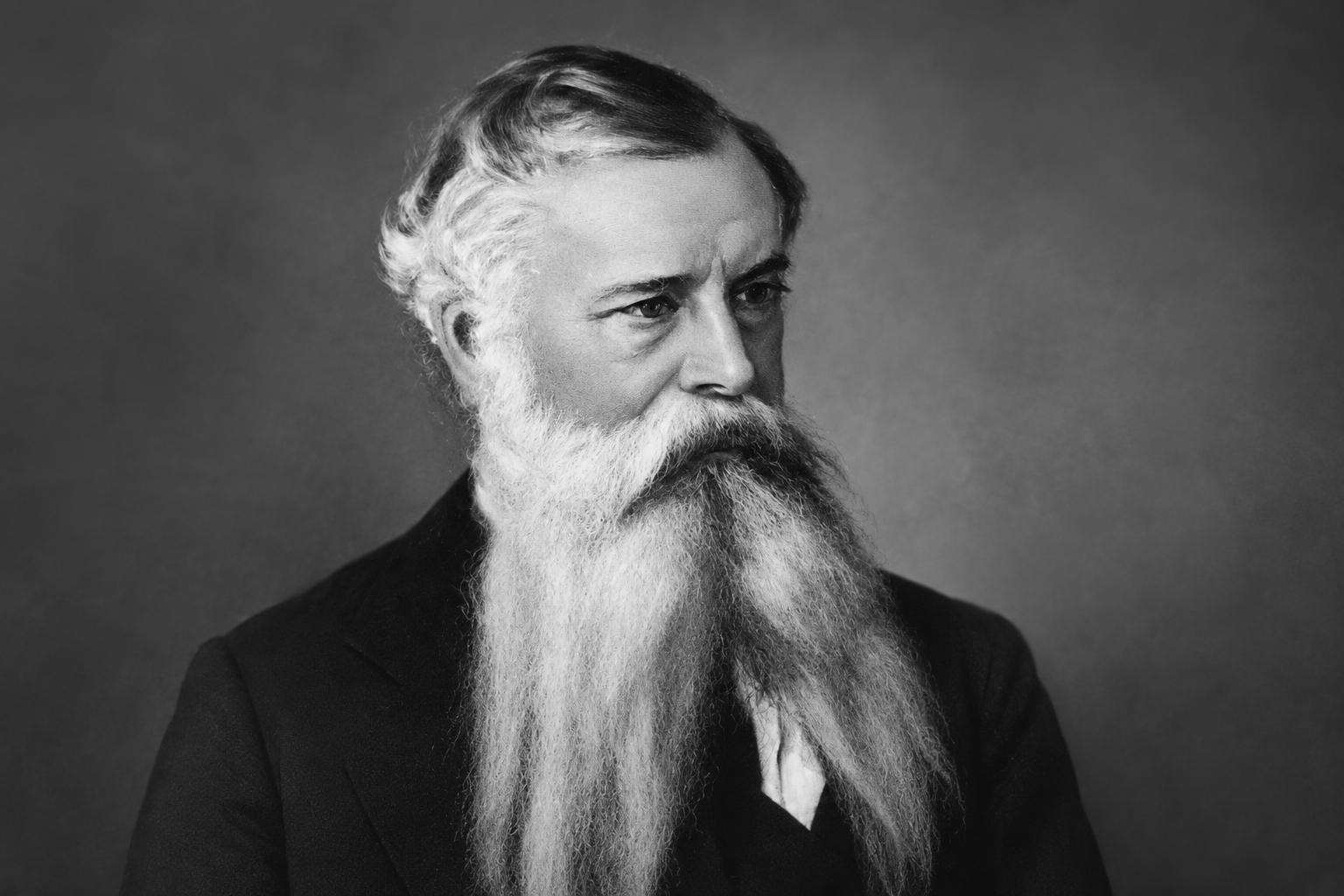


Few figures have left as profound a mark on South African language, literature and culture as Cornelis Jacobus Langenhoven. Known affectionately as C. J. Langenhoven, he was not merely a writer but a journalist, lawyer, politician, satirist and passionate campaigner for the recognition of Afrikaans as a language of education, government and literature. His influence stretched well beyond the printed page, helping shape the cultural identity of generations of South Africans.
Early Life
Cornelis Jacobus Langenhoven was born on 13 August 1873 in Hoeko, near Ladismith in the Cape Colony. Raised in a farming community, he experienced the hardships of rural life from an early age. Despite financial challenges, he displayed exceptional intellectual ability and eventually studied law.
After qualifying as an attorney, Langenhoven established a legal practice in Oudtshoorn. Although successful in law, his true passion lay in writing, journalism and public affairs.
Champion of Afrikaans
At the turn of the twentieth century, Dutch remained the official written language of most Afrikaners, while English dominated government and commerce. Afrikaans, spoken daily by millions, was often dismissed as merely a “kitchen language” or an unsophisticated dialect.
Langenhoven vehemently rejected this view.
Through newspaper articles, speeches and essays, he argued that Afrikaans possessed all the richness necessary to become a fully developed literary language. He believed people should be educated in the language they spoke naturally and that Afrikaans deserved equal recognition alongside English.
His persuasive writing helped convince politicians, educators and the broader public that Afrikaans should become an official language.
Literary Contributions
Langenhoven’s literary output was extraordinary. He wrote:
- novels
- children’s stories
- poetry
- humour
- political satire
- essays
- ghost stories
- travel writing
His style combined wit with accessible language, making literature available to ordinary readers rather than only the educated elite.
Perhaps his most enduring fictional creation was Herrie, the clever elephant who became closely associated with the author himself. The elephant later featured prominently in the symbolism surrounding his home and legacy.
Langenhoven also became renowned for his humorous observations on politics, human nature and everyday South African life.
“Die Stem van Suid-Afrika”
Among his greatest achievements was writing the poem “Die Stem van Suid-Afrika” in 1918.
Composer M. L. de Villiers later set the poem to music, creating what became one of South Africa’s most recognised patriotic songs.
For much of the twentieth century, “Die Stem” served as South Africa’s national anthem. Following the advent of democracy in 1994, parts of it were incorporated into the current national anthem alongside “Nkosi Sikelel’ iAfrika,” preserving an important element of the country’s historical musical heritage.
Political Career
Langenhoven entered politics as a representative of the Cape Province and later served in the Parliament of the Union of South Africa.
His political priorities included:
- recognition of Afrikaans as an official language;
- improved education;
- rural development;
- responsible government; and
- protection of cultural heritage.
His speeches were renowned for their humour, sharp intellect and memorable quotations. Even political opponents often admired his wit and eloquence.
Recognition of Afrikaans
One of Langenhoven’s greatest victories came in 1925, when Parliament officially recognised Afrikaans in place of Dutch for official purposes.
Although many individuals contributed to the Afrikaans language movement, historians widely regard Langenhoven as one of its principal architects. His persistent advocacy over many years played a decisive role in changing public opinion and government policy.
Arbeidsgenot
Langenhoven’s home, Arbeidsgenot, in Oudtshoorn became both his workplace and creative sanctuary.
Today it survives as a museum, preserving many of his original furnishings, manuscripts and personal possessions. Visitors can still see the famous study where many of his books, essays and poems were written.
The house remains one of South Africa’s most significant literary heritage sites.
Personality
Friends described Langenhoven as energetic, endlessly curious and exceptionally disciplined. He possessed a remarkable sense of humour and frequently used satire to expose hypocrisy and social injustice.
His sharp wit produced many memorable quotations that remain widely quoted in Afrikaans today.
Death and Legacy
C. J. Langenhoven died on 15 July 1932 in Oudtshoorn at the age of 58.
His funeral attracted widespread public attention, reflecting the esteem in which he was held across South Africa.
Nearly a century after his death, Langenhoven remains one of the country’s most influential literary figures. Schools continue to study his writings, historians recognise his central role in the development of Afrikaans, and his contribution to South African literature endures through his books, essays and poetry.
His former home at Arbeidsgenot stands as a testament to a man who believed that language was more than a means of communication—it was the heart of a people’s identity, history and imagination.