
By Isabella Maria de Villiers
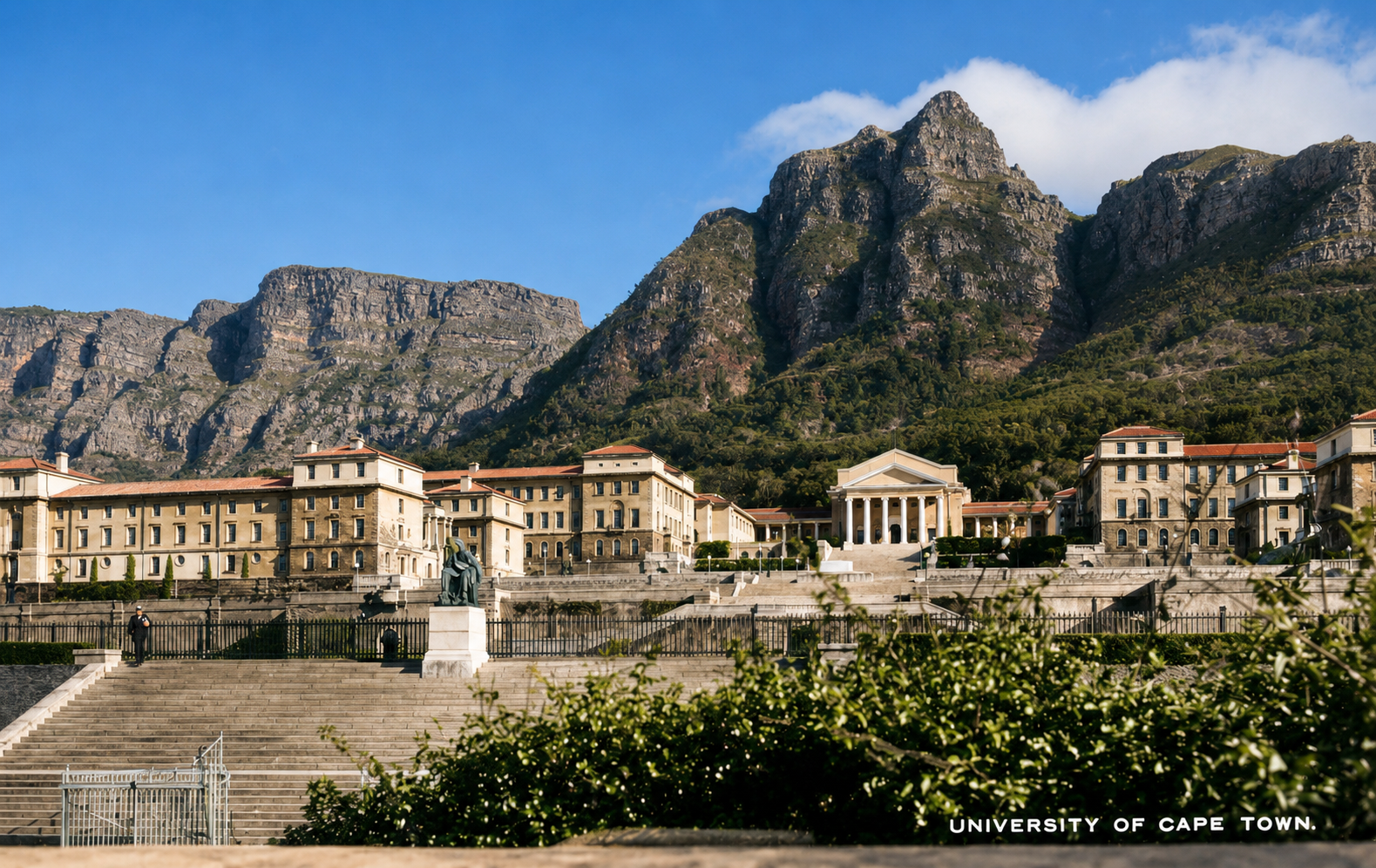
Cape Town, April 1934 — Under clear autumn skies and with the grand slopes of Table Mountain standing solemnly behind the proceedings, a distinguished assembly gathered yesterday upon the upper grounds of the University of Cape Town for the unveiling of the newly erected statue of Cecil John Rhodes.
The bronze monument, commanding in both posture and position, now overlooks the Cape Peninsula from the university’s principal approach upon the Groote Schuur Estate. Set against the dramatic rise of Devil’s Peak, the figure of Mr. Rhodes appears to gaze northward across the continent to which he devoted much of his life’s ambition and enterprise.
The ceremony drew university officials, members of Parliament, civic leaders, students, and prominent residents of Cape Town society. Motor-cars lined the ascending roadway throughout the afternoon while attendees in dark coats and academic gowns assembled before the statue platform.
In opening remarks, speakers paid tribute to Mr. Rhodes as one of the most consequential figures in the history of Southern Africa. Reference was made to his role in the development of the diamond fields, the expansion of railway enterprise, and his enduring benefactions to education at the Cape.
The Vice-Chancellor of the university spoke warmly of the institution’s debt to the Rhodes estate, noting that the university’s commanding site upon the former Groote Schuur lands stood as a lasting testament to the benefactor’s vision for higher learning in the Union of South Africa.
At the appointed moment, the covering drapery was withdrawn to sustained applause from the assembled crowd. The statue, executed in dignified style, depicts Mr. Rhodes seated in thoughtful repose, his expression fixed toward the African interior. Several among the gathering remarked upon the appropriateness of its setting, with the mountain behind and the city spread below.
Students of the university mingled with invited guests following the unveiling, while military representatives and municipal officials exchanged formal courtesies upon the terraces overlooking the Cape Flats.
Though admiration for Mr. Rhodes remains widespread within imperial and academic circles, some quieter discussion was heard regarding the complexities of his political legacy, particularly in relation to native affairs and the increasing debates surrounding the future direction of South African society. Such conversations, however, remained secondary to the overwhelmingly ceremonial tone of the day.
As dusk descended over the city and the last visitors departed the mountain road, the statue remained silhouetted against the fading light — a new landmark upon the slopes above Cape Town, and a monument certain to provoke admiration, reflection, and debate for generations to come.