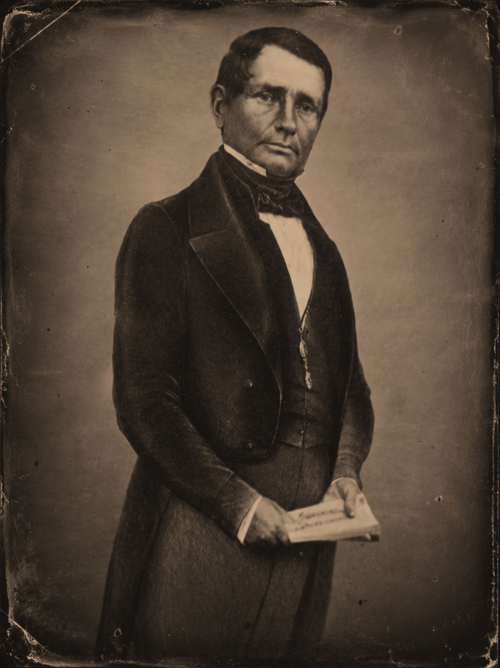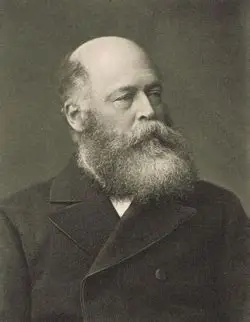

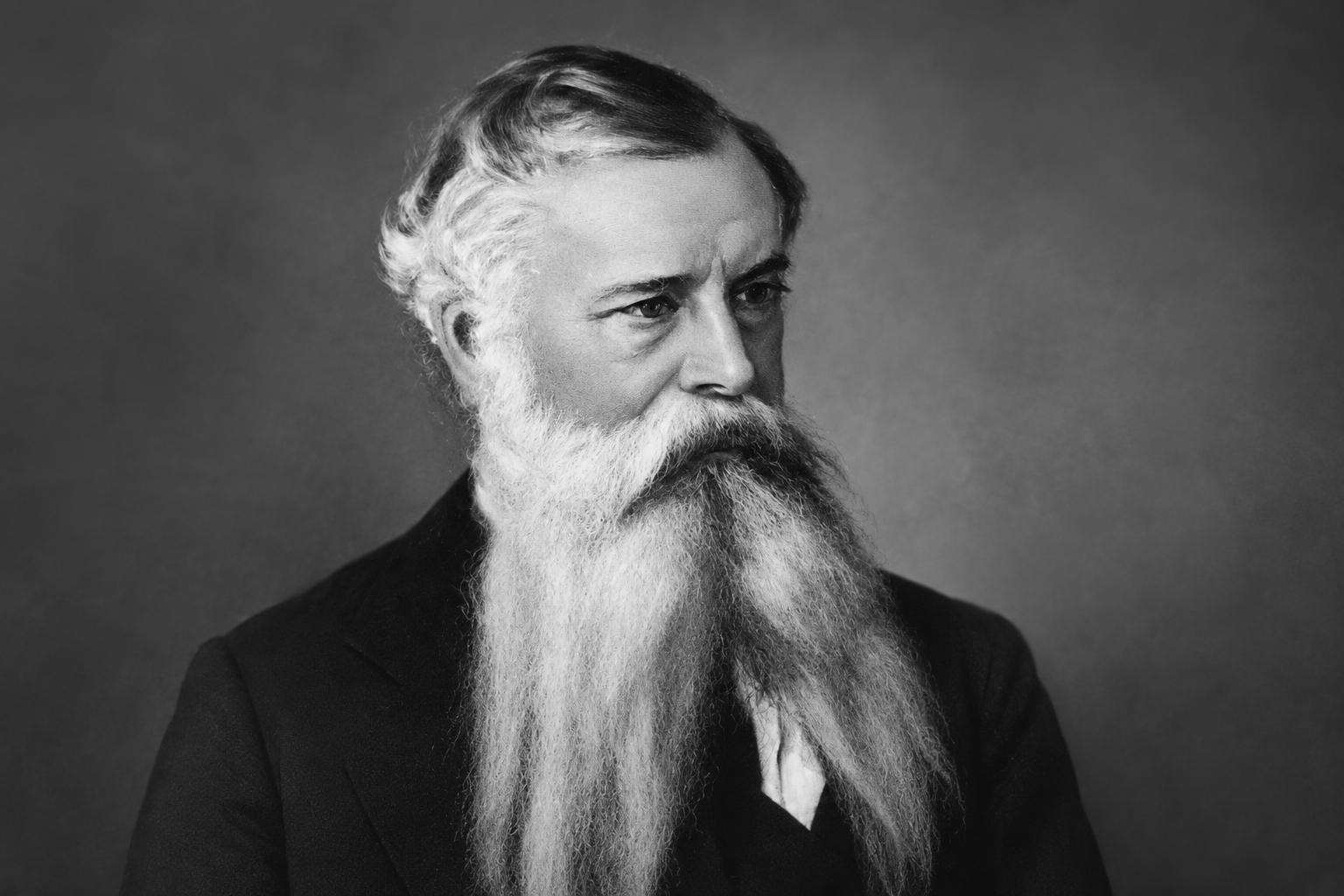
Charles Davidson Bell, who served as chairman of the Mutual Life Assurance Society between 1865 and 1873, was by any measure one of the Cape’s most remarkable nineteenth-century figures. A man of extraordinary range and talent, Bell left his mark on Cape Town in ways both artistic and practical. He is credited with designing, in 1870, the Mutual’s enduring emblem of three interlocked anchors—a striking symbol of stability and resilience. He was also the creator of the celebrated triangular Cape stamp, first issued in 1853 and still highly prized by collectors across the world.
Bell’s gifts were as varied as they were uncommon. He drew with ease, painted in oils and watercolours, modelled in clay and carved in wood. Yet he was equally at home in the world of engineering. Bellville station, and indeed the town that developed around it, owe much to his work in laying railway lines. His sense of design found expression in many forms: from the silver trigger used by Prince Alfred at the opening of Cape Town’s harbour works, to the ornate epergne presented to Andrew Geddes Bain in recognition of his achievement in carving a pass through the Wellington mountains.
His talents extended further still. Bell designed the campaign medal awarded to volunteer forces who served in the Eighth Frontier War and introduced long-overdue reforms to the Cape’s outdated system of land surveying. Family coats of arms, banknotes, decorative clasps for valuable books—these and countless other objects emerged from a mind of unusual imagination and hands of remarkable skill.
Early Career
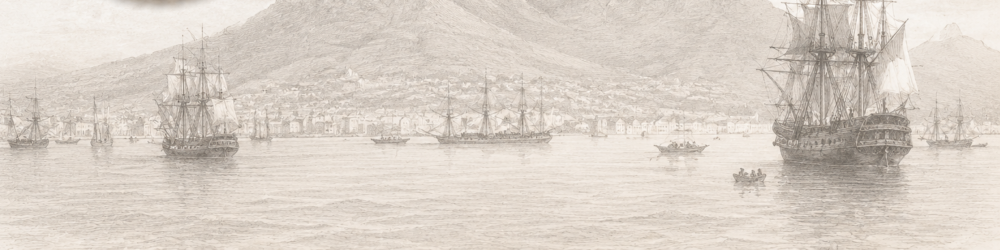
Born in Scotland, Bell was just sixteen when he sailed for the Cape in 1829 to join his uncle, Colonel John Bell, then serving as secretary to the government of the Cape of Good Hope. He entered the Civil Service as a clerk and worked conscientiously, but adventure soon beckoned. In 1833 he learned that an expedition under the noted naturalist Dr Andrew Smith was preparing to venture into the little-known interior of southern Africa. Bell seized the opportunity. As the astronomer Charles Piazzi Smyth later observed in Bell’s obituary, “the internal fires of his spirit broke forth”.
The journey was arduous and dangerous. The party endured thirst, hunger, wild animals and the threat of attack. Yet when the explorers eventually returned to Cape Town three years later, Bell had risen to second-in-command. More importantly, he had filled sketchbooks with vivid and often humorous illustrations capturing both the natural world and daily life in the African interior—works which remain among the most compelling visual records of the period.
In 1841 Bell married Martha Antoinette Ebden, daughter of the wealthy Cape merchant John Bardwell Ebden. On paper it seemed an excellent match. They had two sons and a daughter. Yet the marriage ended in scandal. In 1849, amid political tensions in the Peninsula over the proposed convict station, Martha began an affair with a surgeon attached to the Madras army. Their conduct caused a sensation in Cape Town society, where Victorian standards remained rigid and public discretion was expected.
Charles Davidson Bell was granted a divorce in July 1850. Three months later Martha gave birth to a daughter, and Bell publicly denied any responsibility for the child.
The scandal took time to fade, though Bell responded in characteristic fashion—by immersing himself in work. He devoted himself to his duties as surveyor-general and to his responsibilities on the board of the Mutual. He became actively involved in Cape Town’s first fine art exhibition, which opened in February 1851, and in freemasonry through the Goede Hoop Lodge, where he was appointed grand master in 1852.
He married again in 1859, this time with every indication of happiness and stability. Six years later he was elected the Mutual’s third chairman.
Bell retired from official life in 1872 and returned to Scotland with his family. His second marriage had brought him five children, and in retirement he remained busily engaged. He joined antiquarian and meteorological societies, wrote scholarly papers and continued painting. But advancing age began to take its toll. The loss of sight in one eye, followed by the sudden death of his wife in September 1881, seemed to diminish the vigour that had once defined him.
When illness followed a few months later, he had little strength left to resist.
Charles Davidson Bell died in Edinburgh on Good Friday, 7 April 1882, aged sixty-nine.
He was, in every sense, a Victorian gentleman of exceptional accomplishment: artist, engineer, explorer, administrator and designer. Few men left their mark on the nineteenth-century Cape in so many different ways, and fewer still did so with such flair.
Truly, Charles Davidson Bell was a man for all seasons.