
The Cape Chronicle – by Special Correspondence
Klawer, 1 July 1914
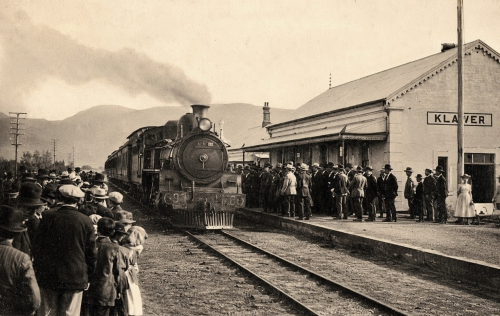
After many years of anticipation by the farming community of the Olifants River Valley, the shrill whistle of the locomotive was heard across the plains yesterday as the Cape Government Railways formally opened the new railway Klawer station, extending the Colony’s great northern railway farther into the north-west.
The occasion was one of uncommon enthusiasm. Long before the appointed hour, farmers from the surrounding districts, merchants, transport riders, and their families had gathered beside the newly completed station, where bunting adorned the platform and the Union Jack fluttered above the assembled crowd. Wagons stood in long rows beneath the blue winter sky while children marvelled at the gleaming engine that had accomplished in a few hours a journey which once required many weary days by ox-wagon.
Representatives of the Railway Administration, accompanied by local civic leaders and prominent agricultural gentlemen, addressed those present, praising the enterprise that had carried the iron road through the fertile valley of the Olifants River. Speakers remarked that the completion of the line marked not merely another engineering achievement, but the opening of a new era of prosperity for one of the Cape’s most promising agricultural districts.
For generations the farms in the region have supplied wheat, livestock and fruit to markets reached only after difficult journeys over rough roads. During the winter months swollen rivers frequently delayed transport, while the great wagon trains bound for Namaqualand often occupied many weeks before reaching Cape Town. The arrival of the railway promises to remove these obstacles almost entirely.
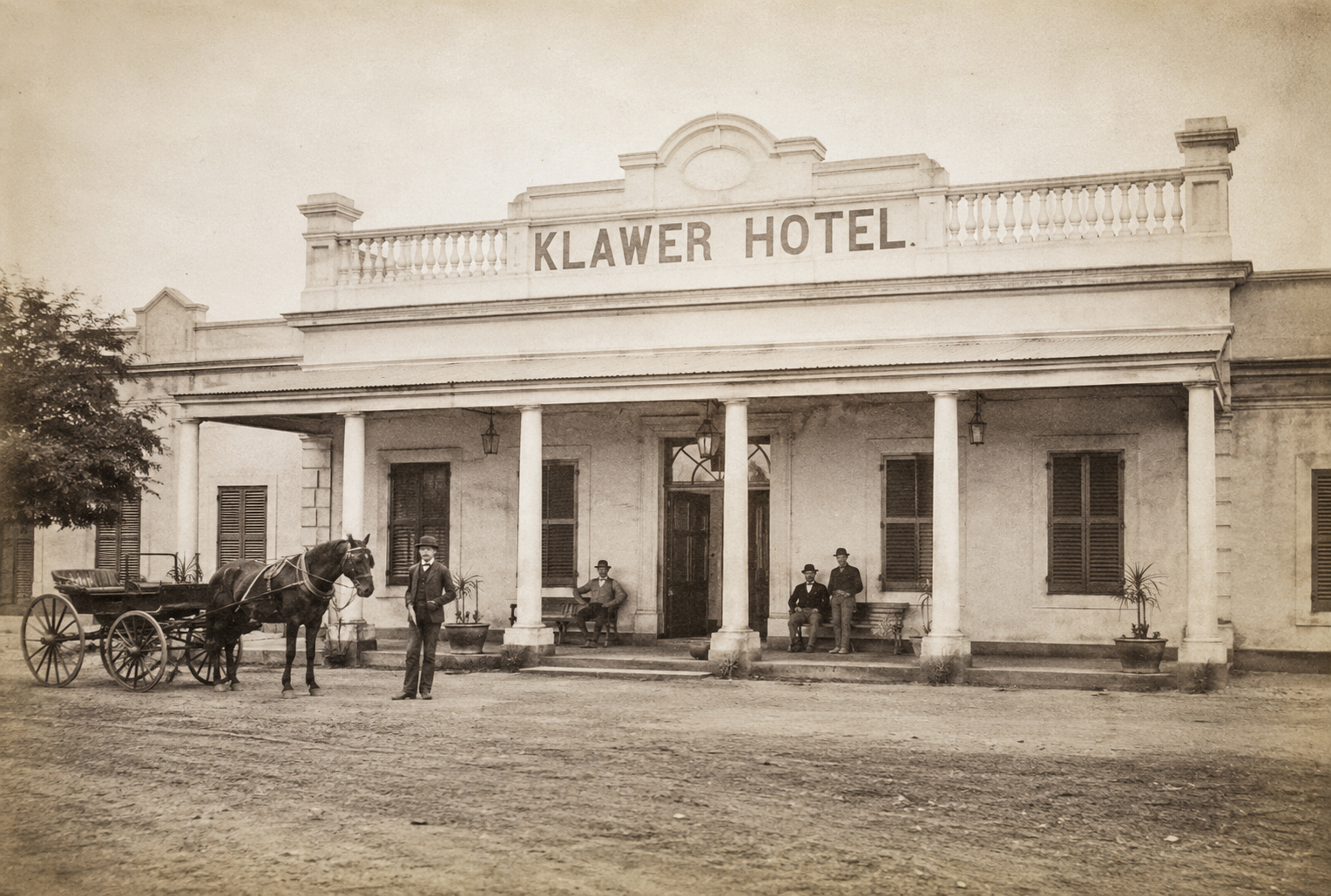
Already merchants speak confidently of establishing permanent businesses near the station, whilst several substantial buildings are expected to rise in the coming months to accommodate travellers, railway officials and traders. Land adjoining the station has attracted considerable attention, and it is confidently predicted that a thriving village will shortly emerge where only scattered farmsteads stood a few years ago.
The district’s wine growers and fruit farmers are expected to be among the greatest beneficiaries of the new line. Produce may now be conveyed rapidly to Cape Town and beyond, preserving its quality and reducing transport costs. Likewise, essential farming implements, machinery and household goods can be brought inland with unprecedented speed.
Transport riders, whose ox-wagons have long formed the lifeblood of commerce between the Cape and Namaqualand, viewed the proceedings with mixed sentiments. Whilst many acknowledged the advantages that rail transport will bring, some reflected with quiet melancholy that another chapter in the romantic age of the wagon road is drawing towards its close.
The locomotive itself was greeted repeatedly with hearty cheers as it steamed into the station amidst clouds of white vapour. Following the official ceremony, invited guests inspected the railway facilities before a luncheon was served beneath temporary marquees erected for the occasion.
Few who witnessed yesterday’s celebrations could doubt that Klawer Station now stands upon the threshold of remarkable progress. What has hitherto been known chiefly as a quiet farming district upon the northern road bids fair, under the influence of the railway, to become one of the principal commercial centres of the Olifants River Valley.
The iron road has arrived, and with it comes the promise of enduring prosperity for the people of the surrounding country.