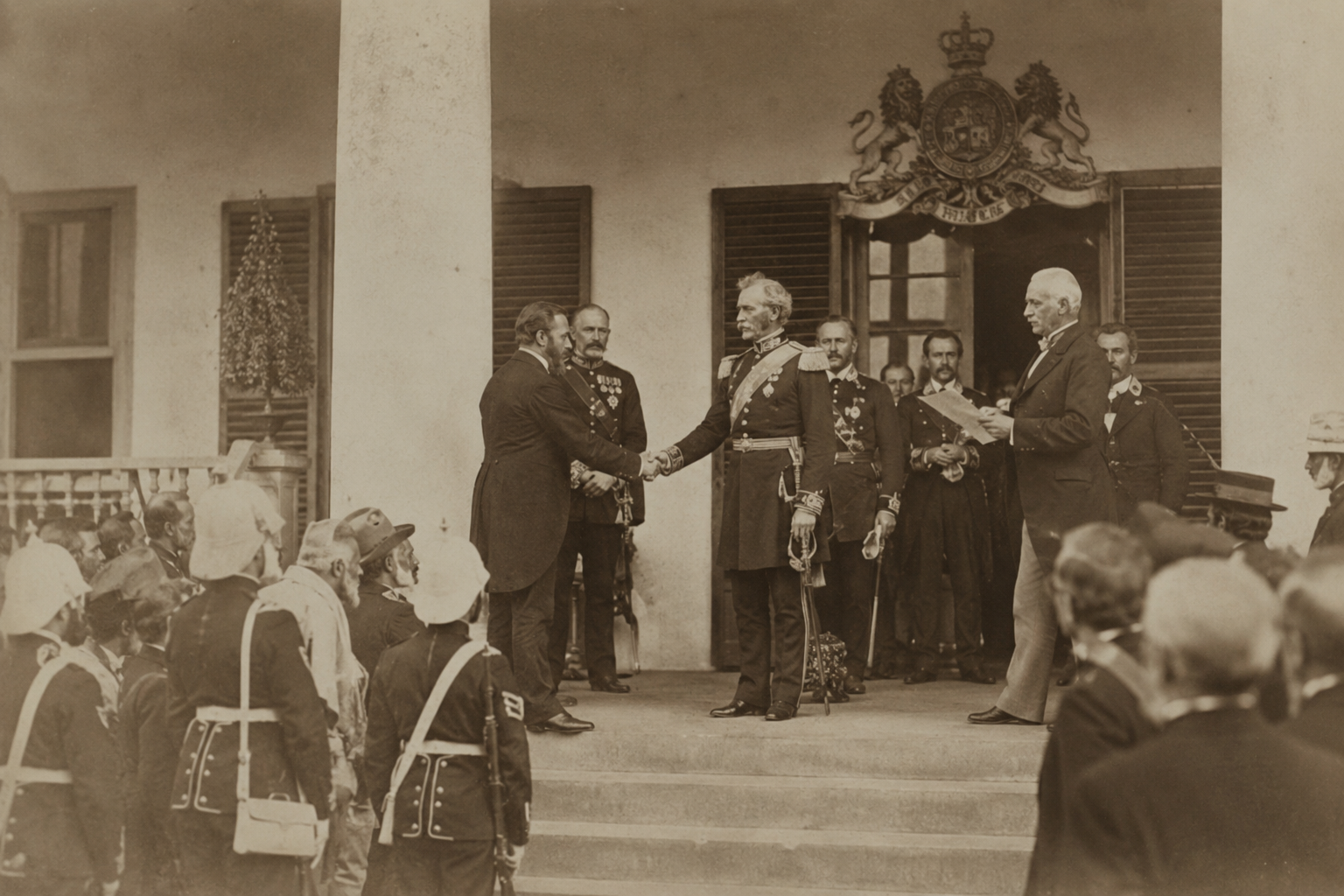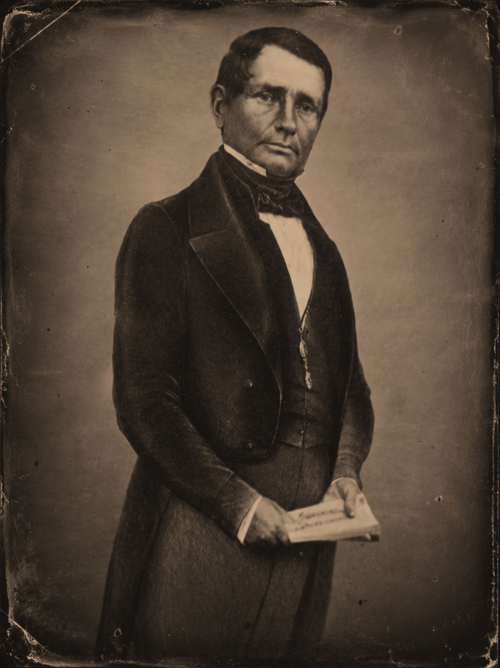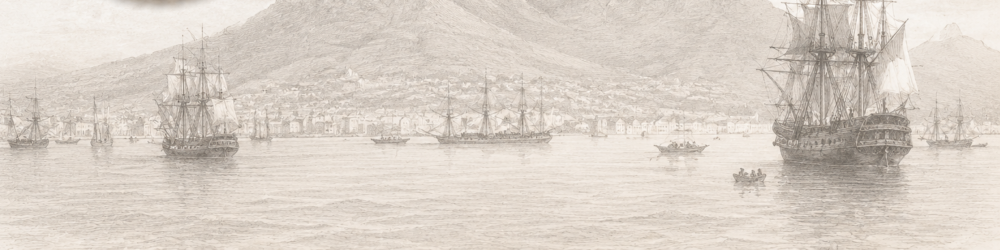

Cape Town, 1861 — Sir George Grey currently stands at a pivotal moment in his distinguished colonial career. Once the admired Governor of the Cape Colony, the energetic administrator now prepares to depart South Africa for a second term as Governor of New Zealand.
Grey arrived in the Cape in 1854 amid rising tensions. He quickly earned praise from both European settlers and African leaders for his success in calming frontier conflicts. During the Indian Mutiny of 1857, he swiftly sent troops, money, and supplies to support British forces in India. When the great Xhosa cattle-killing triggers famine that same year, he organised relief efforts to feed the starving population. He also initiated the importation of Indian labour for Natal’s sugar plantations and successfully mediates a border dispute between the Orange Free State and the Sotho kingdom.
Yet it is his bold vision for the future that ultimately brings him into conflict with London. Grey passionately pursues the federation of British colonies and Boer republics into a single, strong administration. He worked tirelessly to integrate African labour more fully into the colonial economy and even secures support for his federation plan from the Boers of the Orange Free State.
This ambitious programme, however, alarmed the British government. Weary of imperial expenses and wary of further expansion, officials in London view Grey’s initiatives as costly and premature. The situation now reaches a crisis when the Governor presents his federation proposals to the Cape legislature without prior approval from the Colonial Office.
In 1859, authorities recalled him to England but upon his arrival in London, political fortunes shift in his favour. The government that recalled him fell from power, and the new ministry reinstated Grey as Governor of the Cape, however, with one firm condition: he must abandon all efforts toward federation.
Now, in 1861, Sir George Grey finds himself constrained in South Africa. Although he continues his duties — extending the eastern frontier and negotiating with Transkei chiefs — observers note that his characteristic energy appears dampened. The man who dreams of building lasting colonial structures chafes under the restrictions placed upon him.
It is against this background that Grey has requested, and received, a transfer to New Zealand. The colony he governed with considerable success between 1845 and 1853 now faces renewed difficulties with Māori-settler relations. Many in New Zealand still remember Grey fondly as a firm yet understanding administrator.
In choosing New Zealand, Sir George Grey appears to be seeking renewed scope for his administrative talents and a fresh field where his vision and experience can once again be fully applied. As he prepares to sail, the Empire watches with interest. A governor recalled for his ambition now embarks on a new chapter — one that may yet allow this restless colonial statesman to leave a deeper mark on Britain’s distant possessions.
He is likely to be substituted by Sir Robert Wynyard as an interim measure.