
The story of David Samuel Sampson traces one family’s passage across continents, faiths, and the shifting boundaries of race in the early twentieth century
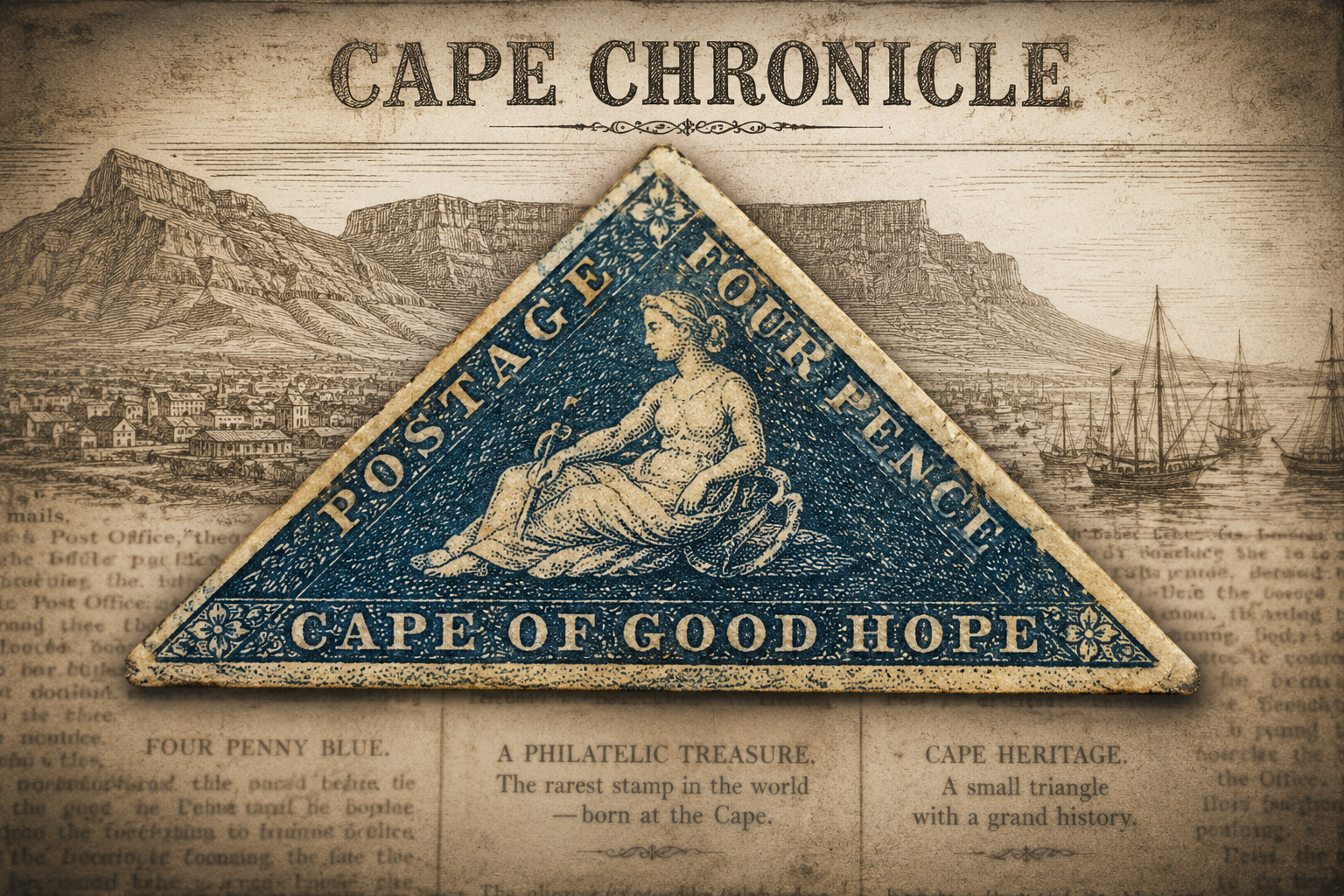
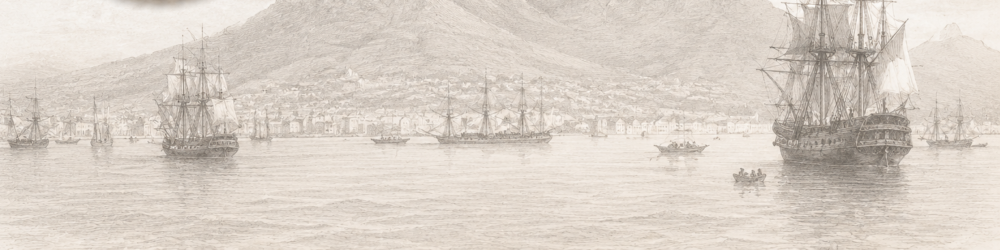
DURBANVILLE, Cape Colony — 1872. In the shadow of the Tygerberg Hills, where wagon works rang from dawn to dusk and blacksmiths bent iron into axles and springs, a child was born who would eventually carry his family’s story more than 10,000 miles from home — and into one of the more uncomfortable chapters of American religious history.
David Samuel Sampson entered the world on December 12, 1872, the grandson of an Irish immigrant and great-grandson, on his mother’s side, of an enslaved African woman. Under the racial classifications that would come to define South African life, he would have been labeled “Coloured.” But in the Durbanville of his youth, what mattered most to his family’s standing was land, trade, and the church pew.
A Trade Passed Down
Durbanville in the 1870s and ’80s was no backwater. It was a transportation hub for the Cape farming economy, and its wagon-making industry — anchored by the King Brothers Wagon Works, which at its height employed over 200 men and turned out some 400 wagons a month — depended on skilled hands. Blacksmiths forged the iron hoops, axles, springs, bolts, and brackets that held those wagons together.
David followed that path. Local records and family history suggest he entered a blacksmithing apprenticeship as a teenager, likely serving five to seven years before advancing to journeyman and, eventually, master craftsman — possibly working later at the Salt River Railway Workshop, operated by the Cape Town Railway.
His father, Thomas Sampson, had been born on Robben Island in 1838 — the son of William Sampson, an Irish immigrant, and Mary, a woman of native African descent. By the time of his death, Thomas held the designation “retired landowner,” meaning he owned a home and erf in Durbanville valued at £25 or more. In the Cape Colony’s property-based franchise system, that status conferred not just financial stability but the right to vote — no small thing for a mixed-race family navigating the era’s racial hierarchies.
A Late Marriage, A New Faith
David waited until he was 30 to marry — notably later than the norm in the Cape Colony at the time. In December 1903, he wed Philida Daniels, known to family as Phyllis, at St. Stephen’s Church in Cape Town. Her brother, William Paul Daniels, was already a respected elder there. Both David and Phyllis had been raised in the Dutch Reformed Church.
Then, in 1908 — five years after the Church of Jesus Christ of Latter-day Saints reopened its mission in South Africa — David crossed paths with a pair of missionaries in Cape Town. He converted. His decision rippled outward: Phyllis and members of her family soon followed him into the faith.
David was baptized and confirmed on September 20, 1908, in Cape Town, by Elders Charles Perry Rockwood and Samuel L. Alger Jr.
Crossing the Atlantic
In 1913, the Sampsons did what thousands of Latter-day Saint converts around the world were doing at the time: they gathered to Zion. The family immigrated to the United States, settling first in Utah.
David’s rise within the church’s lay priesthood continued on American soil. He was ordained a Priest on November 23, 1913, by John Thorup, and an Elder on March 29, 1914, by Wilford A. Haag, in Salt Lake City’s 33rd Ward.
A decade later, on May 24, 1923, David and Phyllis reached what should have been the pinnacle of their religious journey: they received their washings and anointings, went through the endowment, and were sealed together in the Salt Lake Temple. In the two years that followed, David returned to perform proxy ordinances on behalf of deceased ancestors — sacred work central to Latter-day Saint theology.
The family’s American years took them through a succession of towns: Farmington, Utah, by 1910; Salt Lake City in 1913 and again in 1922; Layton, Utah, in 1920; and finally Rio Tinto, a mining town in Elko County, Nevada, by 1932. It was there that David died on June 13, 1944.
A Privilege Revoked
But the Sampsons’ story carries a darker undercurrent — one that reflects a painful chapter in the institutional history of their adopted faith.
At some point after their 1923 temple sealing, church authorities began questioning the couple’s racial ancestry under a “one-drop” policy the church had adopted in 1907 — a rule that barred anyone with African lineage from priesthood ordination or temple admission. Once that scrutiny reached the Sampsons, their temple privileges were revoked.
Notably, there is no evidence David lost his priesthood office as a result. The inconsistency is itself telling: it suggests that even as church leaders enforced racial exclusion in one sphere of religious life, enforcement elsewhere remained uneven — a reminder that policy and practice did not always move in lockstep.
A Legacy Recovered
David Samuel Sampson’s life — spanning a Cape Colony blacksmith shop, a Cape Town chapel, and the mining towns of the American West — is a small but significant thread in a larger, underexamined story: that of early Black and Coloured Latter-day Saints who crossed continents in pursuit of their faith, only to confront the very racial boundaries they had hoped to leave behind.
His story survives today as part of the documented history of early Black Latter-day Saints in both South Africa and Utah — a record of skill, conviction, and endurance that outlasted the policies that once tried to diminish it.
— Compiled from family and church records
Inspired by an article by Jason Patrick Hanslo