
Cape Town, 9 June 1882
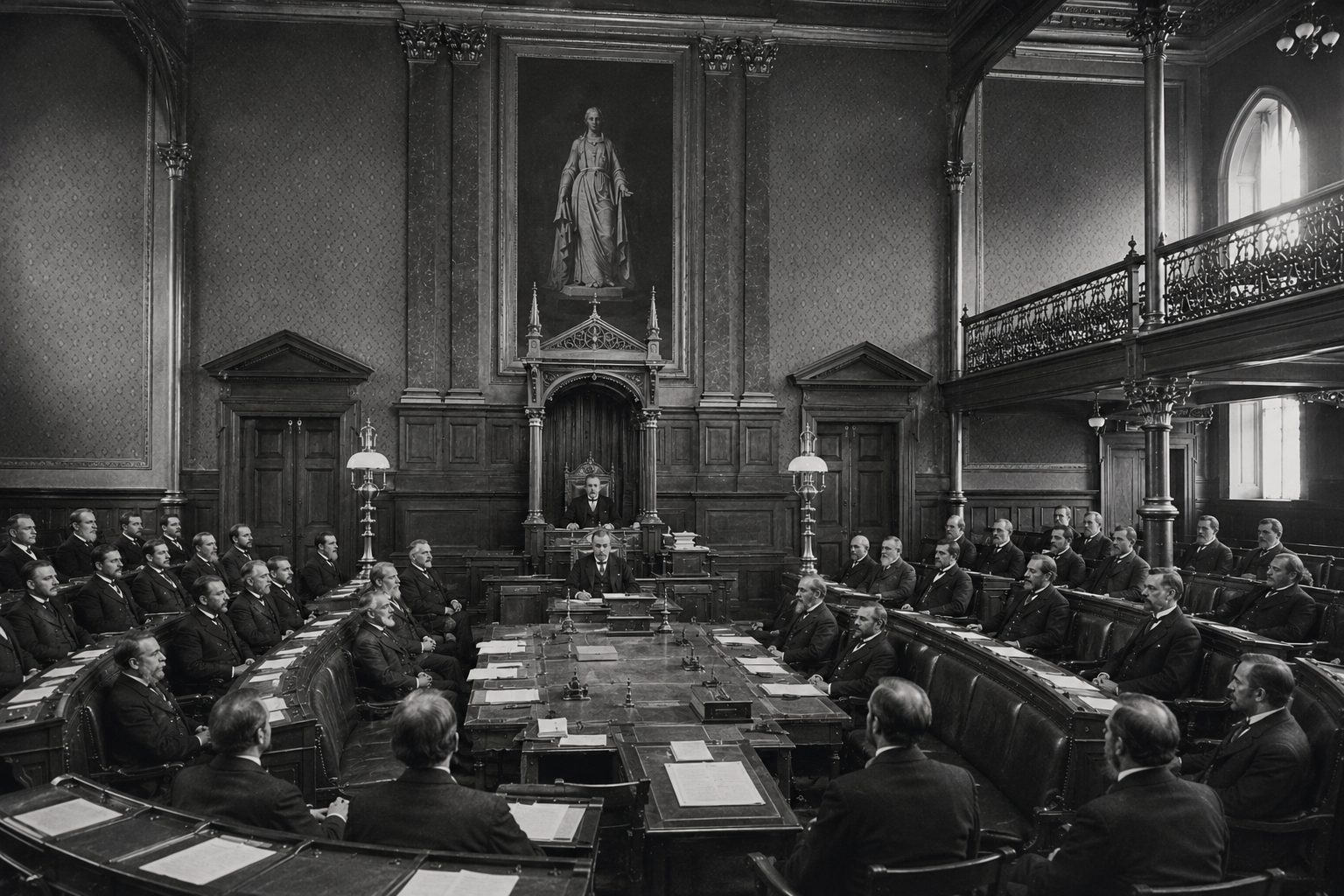
After years of persistent agitation and repeated appeals from the Dutch-speaking inhabitants of the Colony, the Parliament of the Cape Colony has at last sanctioned the formal use of the Dutch language within parliamentary and certain governmental proceedings.
The measure, now hailed throughout many country districts as an act of justice long delayed, traces its origin to the celebrated memorial submitted in 1857 by the people of the Albert District of Burgersdorp. That petition called upon the Legislature to permit the equal use of Dutch alongside English in public affairs.
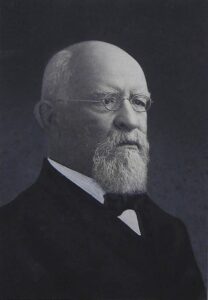
Amongst the earliest and most respected advocates of the movement stood the Rev. Jan Hedrik Hofmeyr, whose influence amongst the Dutch-speaking population greatly strengthened public feeling upon the question. Numerous clergymen of the Dutch Reformed Church likewise lent their support, maintaining that a people deprived of its language in public life could scarcely preserve its character or education.
Within the Legislature itself, prominent support for the recognition of Dutch was advanced by leading colonial statesmen, including John Charles Molteno, whose ministry has generally favoured broader colonial representation and conciliation between the various sections of the population. Though English-speaking by heritage, Mr. Molteno was understood to view the measure as essential to political harmony within the Colony.
The cause also received encouragement from influential Dutch-speaking parliamentarians and public men such as Saul Solomon, who, though chiefly associated with liberal constitutional principles, repeatedly argued for equality before the institutions of Government. Members representing eastern constituencies further pressed the matter upon successive administrations over many years.
Particular mention has also been made of the educational labours of Arnoldus Pannevis, whose writings upon the condition of the Dutch language in South Africa stirred considerable public discussion. Mr. Pannevis and others of similar persuasion warned that the continued exclusion of Dutch from official use would weaken both education and public participation amongst colonial subjects.
For many years English alone predominated in parliamentary debate, judicial procedure, and official notices, notwithstanding the fact that vast numbers of colonists spoke Dutch in their homes, churches, and schools. The grievance was particularly keenly felt throughout the eastern frontier districts and amongst the agricultural communities of the interior.
The resolution now adopted by the Parliament of the Cape of Good Hope is therefore regarded not merely as an administrative alteration, but as a matter touching the dignity and standing of an entire section of colonial society.
Celebrations and public meetings are already reported from several country towns, where inhabitants have welcomed the decision with prayers, speeches, and expressions of thanksgiving. It is anticipated that parliamentary records and various Government communications shall henceforth appear increasingly in both English and Dutch.
Many observers believe this decision shall prove a turning point in the future political and cultural life of the Cape Colony, and may encourage a growing spirit of unity amongst Dutch-speaking colonists throughout Southern Africa.