
**Special Dispatch from the Zulu Frontier**
**29 January 1879**
By Our Correspondent on the Scene
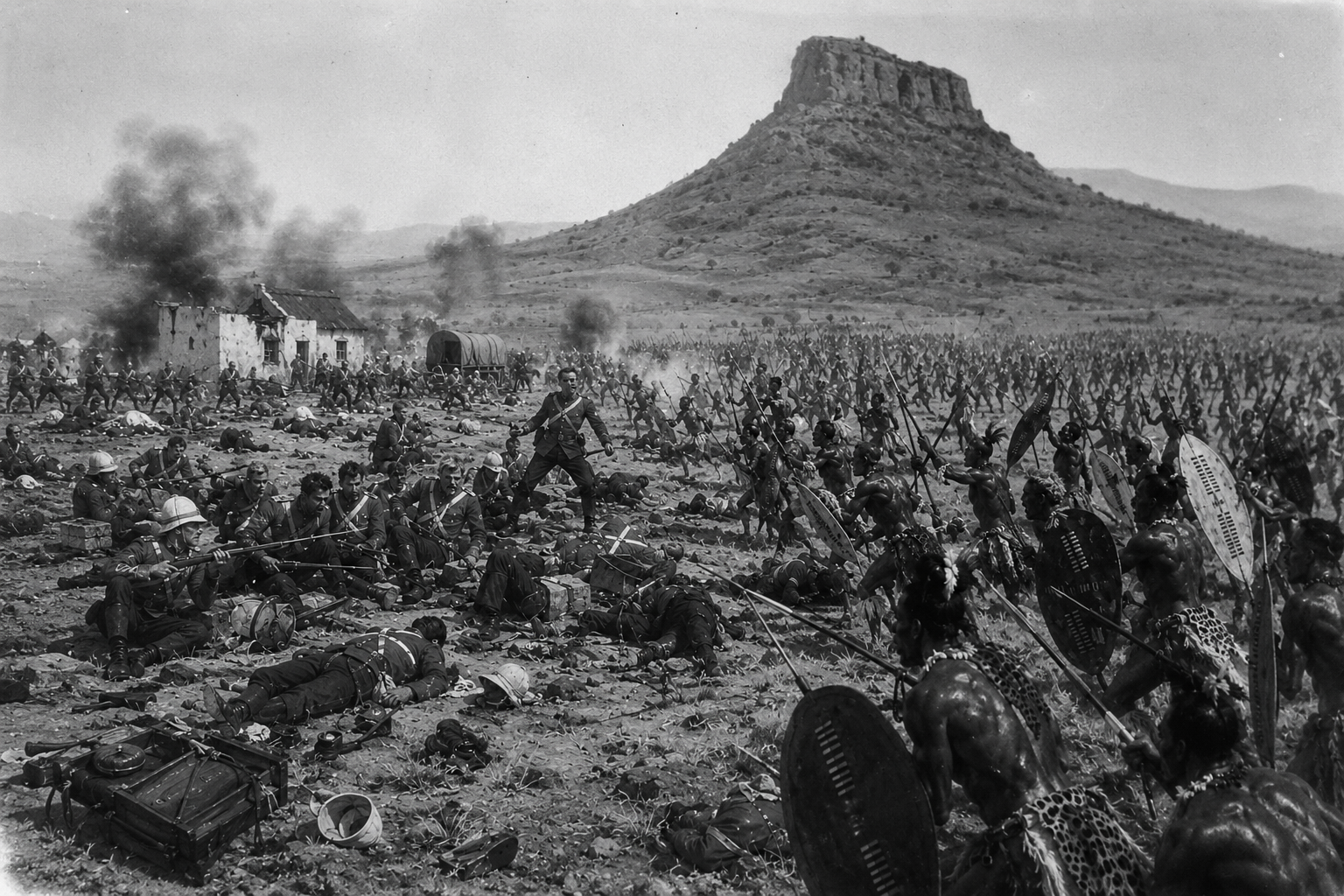
ISANDLWANA, ZULULAND — In a stunning reversal that has shaken the foundations of British authority in Southern Africa, a large Zulu force has annihilated much of Lord Chelmsford’s central column at the foot of Isandlwana hill. What began as a confident advance into Zululand has ended in one of the gravest military disasters in the history of the Empire’s colonial campaigns.
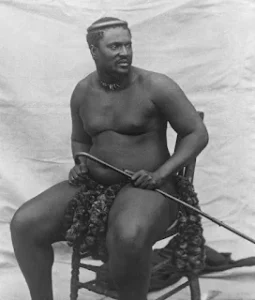 On the morning of 22 January, British scouts spotted elements of the Zulu army. By midday, an estimated 20,000 Zulu warriors, under the command of King Cetshwayo’s generals, descended upon the British encampment with devastating effect. The redcoats, numbering around 1,800 troops including regulars of the 24th Regiment of Foot, colonial volunteers, and Natal Native Contingent, along with civilians, found themselves vastly outnumbered.
Eyewitness accounts describe the Zulus advancing in their traditional “Horns of the Buffalo” formation — a pincer movement with chest and flanking horns that enveloped the British lines. Despite initial volleys from Martini-Henry rifles that cut down hundreds of attackers, the British position quickly deteriorated. Reports indicate critical failures in ammunition supply, with some units running out of cartridges as the battle intensified. The line buckled under the sheer weight of numbers, leading to desperate hand-to-hand fighting.
The result was slaughter. Over 1,300 British and allied troops lie dead on the field, including dozens of officers. The 1st Battalion of the 24th Regiment has been virtually wiped out. Bodies of redcoats are scattered across the slopes, many mutilated according to Zulu custom. Two artillery pieces were captured, along with large quantities of rifles and ammunition — a bitter prize for the victors.
Zulu losses are believed to be heavy, with estimates ranging from 1,000 to over 3,000 warriors killed or mortally wounded, but their victory is complete. The main British camp has been overrun and destroyed.
Lord Chelmsford, who had split his forces earlier to pursue what he believed were smaller Zulu groups, was not present at the camp during the main assault. His return to the devastated site later that day reportedly left the commander visibly shocked by the scale of the calamity.
This defeat comes just days after the British invasion of Zululand began on 11 January, following a provocative ultimatum delivered to King Cetshwayo. The British had expected a swift campaign against what many in the colonial administration viewed as a “barbaric” kingdom threatening the stability of Natal and the Cape. Instead, the Zulus have delivered a blow that echoes across the Empire.
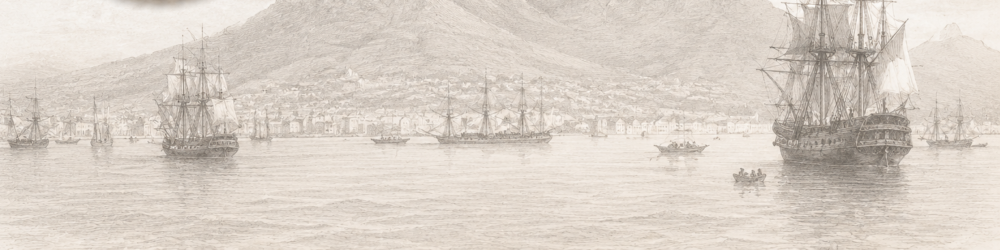
News of the disaster is spreading rapidly through Cape Town and the frontier settlements, causing alarm among settlers. Reinforcements are urgently requested, and fears of Zulu incursions into Natal are mounting. The Colonial Office in London will undoubtedly face difficult questions about the planning and leadership of this campaign.
Yet, not all news from the frontier is grim. Later reports suggest that a small British garrison at Rorke’s Drift, across the Buffalo River, successfully repelled a Zulu attack, though details remain scarce amid the chaos.
The Battle of Isandlwana stands as a sobering reminder of the dangers of underestimating a determined and disciplined indigenous force. For the families of the fallen — from British officers to local auxiliaries — the grief will be profound. For the Empire, it is a wound that demands response.
The Cape Chronicle will continue to bring dispatches from the front as this war unfolds. Our thoughts are with those brave men who fought and fell under the shadow of Isandlwana.